A Florida Suburbanite’s Experience in Rural Indiana.
I'm a Florida suburbanite, always have been. I'm proud of that, I love my home. I'm also proud to be an American, I love my nation. I love our history, the array of accents and cultures. What I do not love is traveling, or at least the process of it.
Even still, traveling is an important part of American citizenship. George Washington believed the only way to truly understand this nation is by exploring it; by seeing the experiences of our countrymen and women. And so, during this special summer of America's 250th birthday, I flew to Rural Indiana to visit my best friend. The experience was not only insightful, but inspiring in a way I hadn't expected.
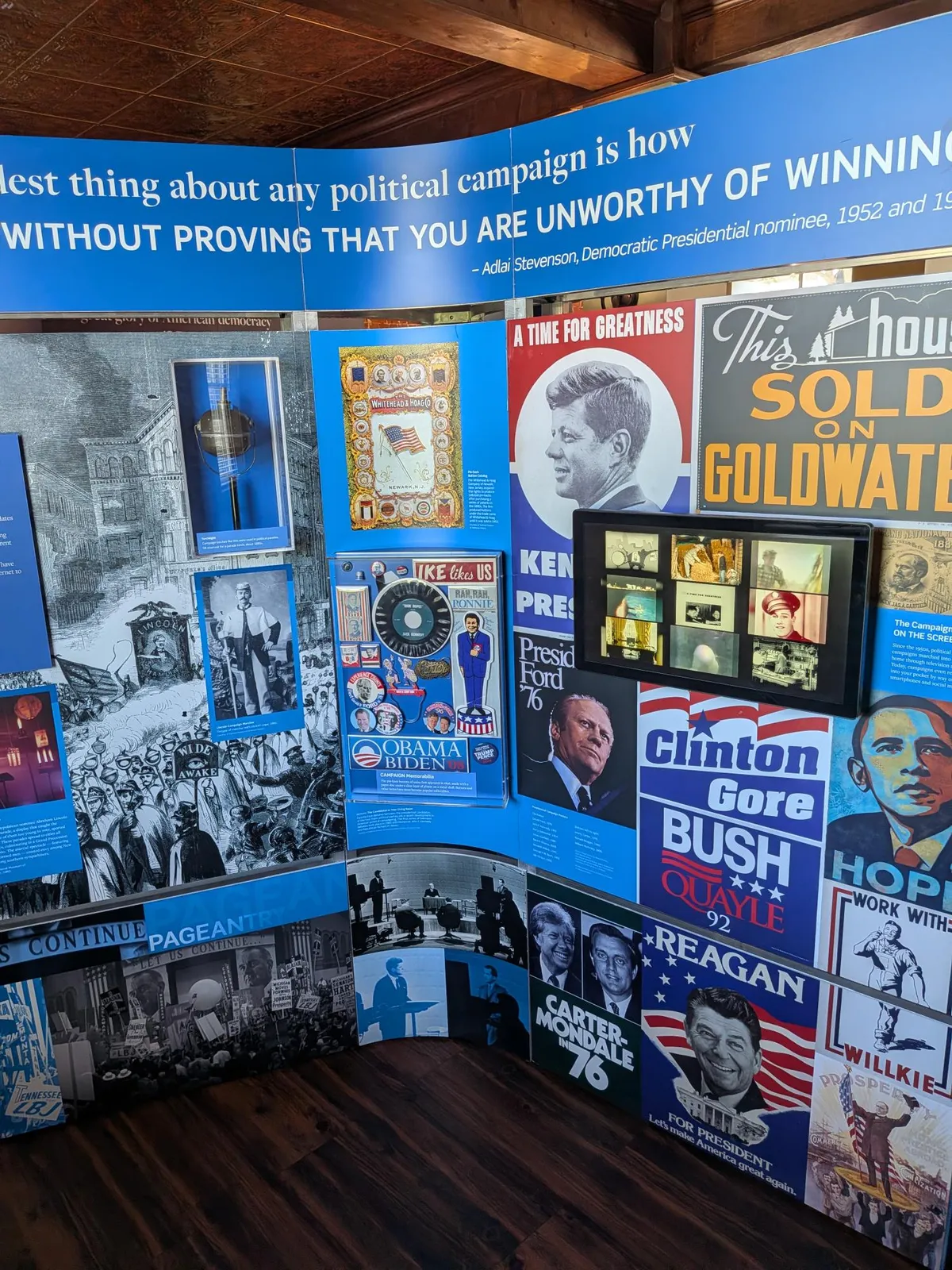
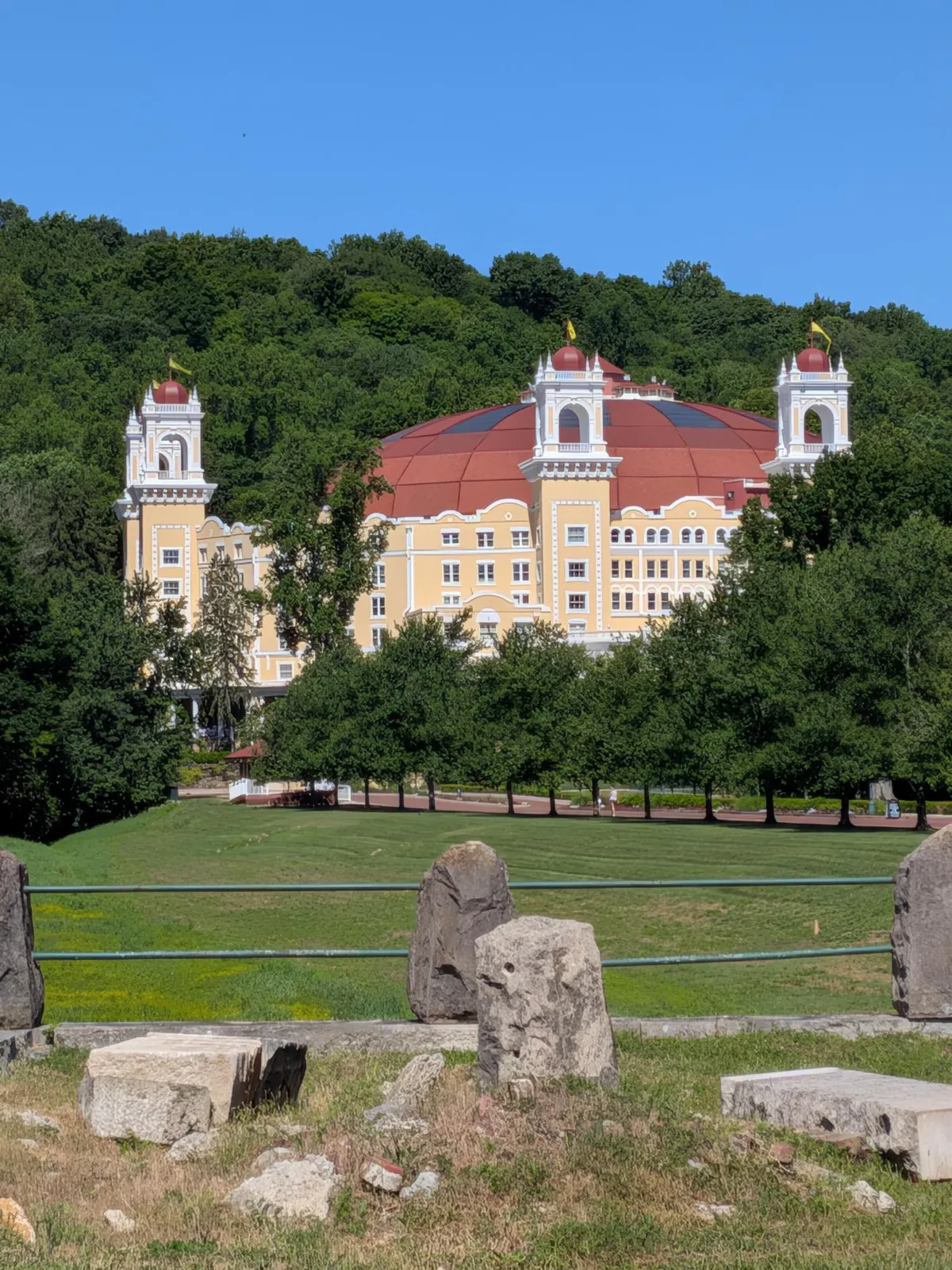
The first thing that struck me when entering Orange County Indiana (Ironic, considering where I was traveling from) was how important America's 250th was to this community. Streetlights are decorated with "Celebrating 250 years of America" posters, the Smithsonian's traveling "Voices of Democracy" exhibit was being hosted at a local community center, the historic West Baden Dome was awash in red white and blue light at night, walkway trees were similarly lit. The ongoing celebrations felt immensely patriotic, I was touched. I don't mean to imply Florida isn't celebrating, but in my county at least, it isn't universal recognition as it was here.
After exploring French Lick and Patoka Lake for a few days, we moved further into Indiana's interior to visit my friend. He lives in a more agrarian, and less commercially developed area. After pulling the rental car up the long gravel driveway, I was already out of my element. I don't live in one of those classic (and corny) Florida gated communities, but in my neighborhood, houses are built on neat manageable lots and you can see your neighbor when you get the mail.
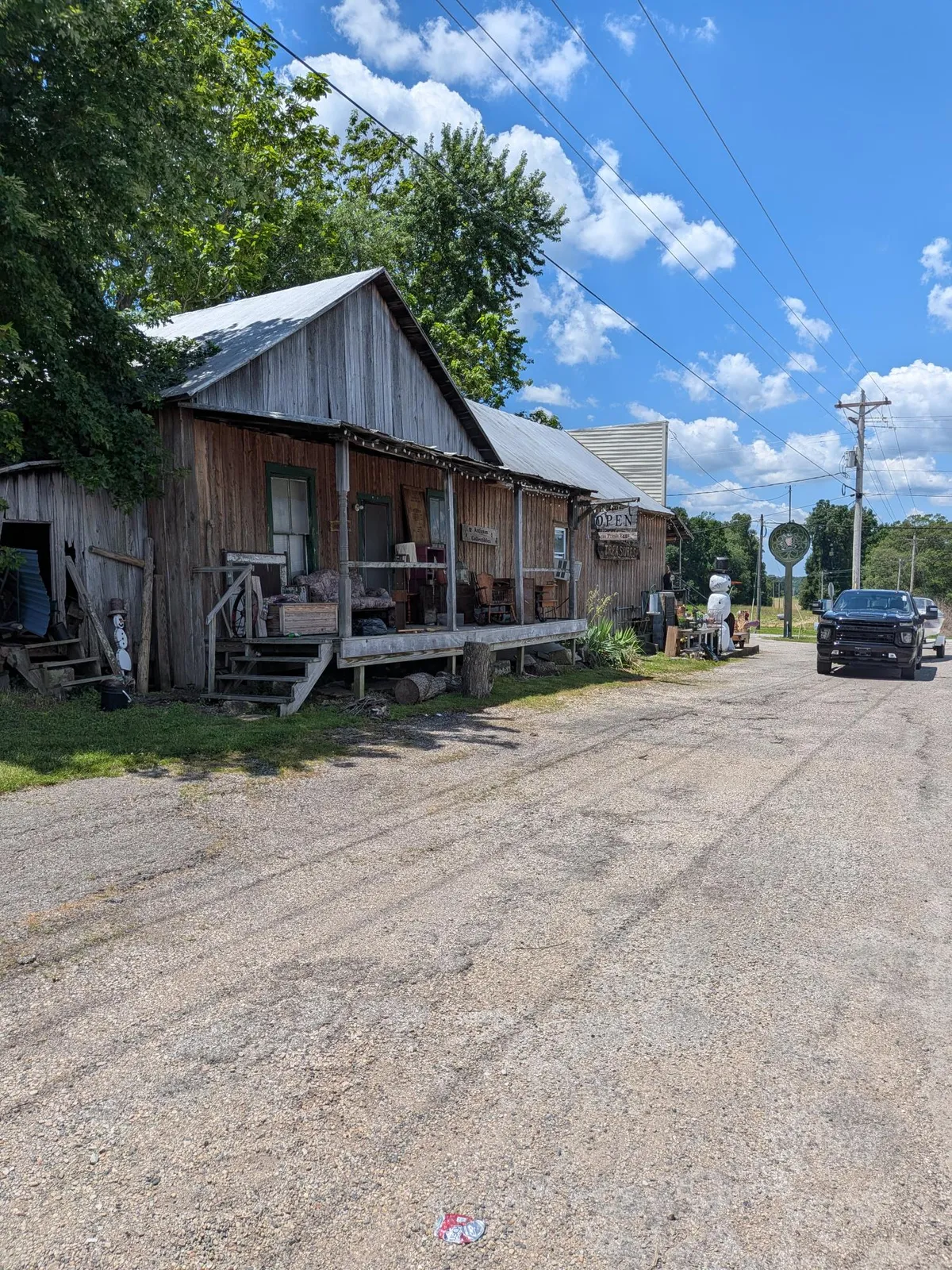
After greeting my friend, we spent 4 hours chewing the fat (Am I a Midwesterner yet?) on his property. We fed his beautiful livestock, and before I left, we shot target practice with his stunningly gorgeous revolver and lever action rifle - right there in the yard. Florida is a firearm friendly state, but if you casually pop off rounds in the suburbs, you're getting a visit from the police.
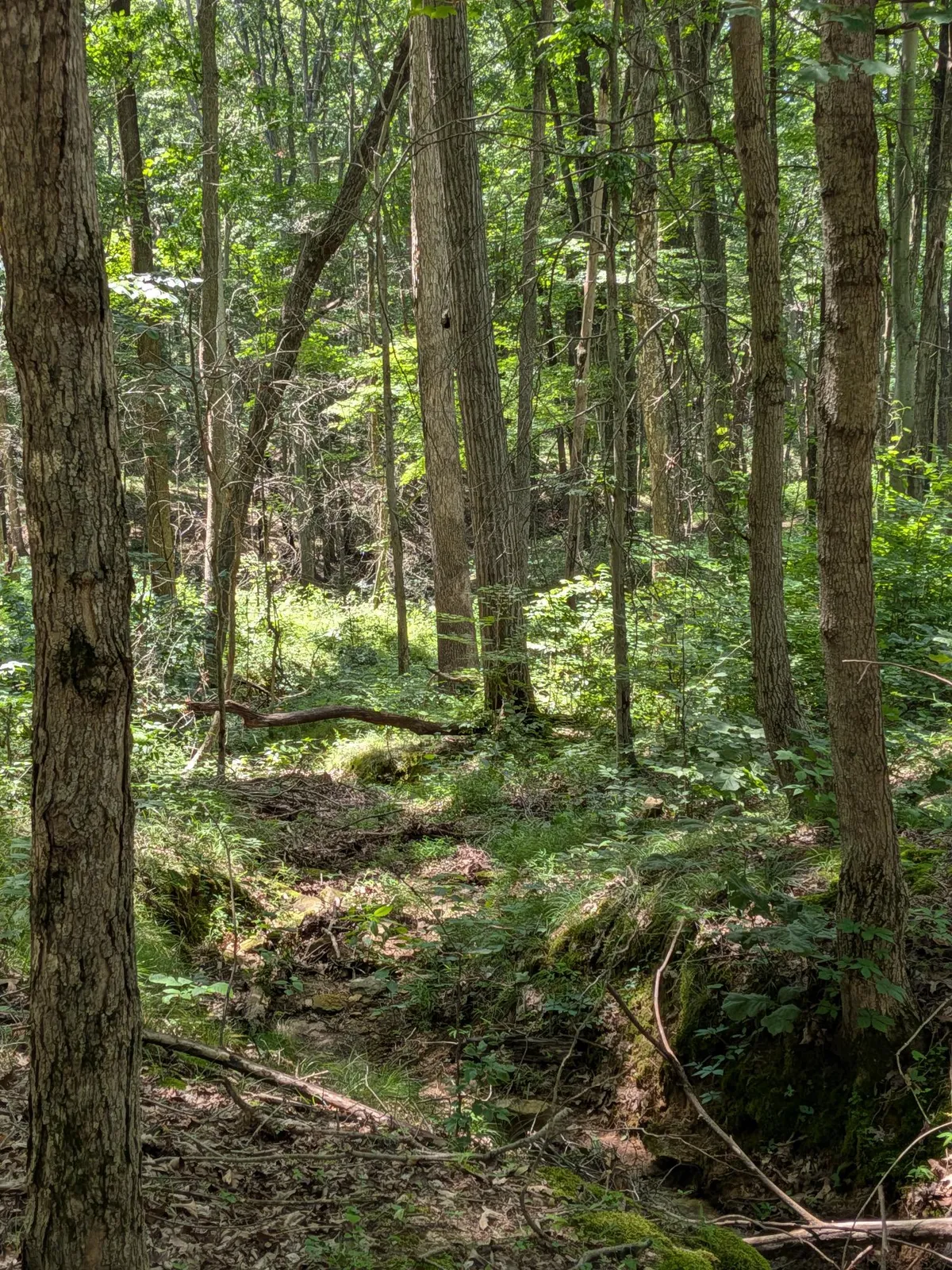
In the week proceeding, I haven't been able to stop thinking about my friend's lifestyle. Truly, he is living closer to the Jeffersonian ideal of American republicanism (Small "r") than I thought possible in 2026. He lives in an unincorporated township; there is no garbage disposal service. If he wants to build a supply shed, he just does it. He doesn't need a permit and 3 inspections (I wish that was a joke). If he wants to raise livestock, he just has to accommodate their needs. He doesn't need to interface with the Department of Agriculture or a similar local authority. His community is sparsely populated, and yet, if a strange car pulls into his driveway the neighbors will be the first to give him a call. If he wants to go hunting, he just picks a direction to walk in the woods (within certain parameters of course). He has springs on the property and reasonable levels of small game to hunt for food if the lights were to go out.
In Colonial America, as now, complete self-reliance didn't exist. Nonetheless, Thomas Jefferson's dream of an agrarian nation of Americans free from encroaching governments or corporations lives on through my friend and others who share his lifestyle. The American experiment mostly followed Alexander Hamilton's blueprint for a nation guided by federal oversight, financial institutions, and capital markets. Thomas Jefferson, James Madison, and the rest of the Anti-Federalists are likely smiling in heaven knowing that our great nation found a way to travel both roads over these 250 years.
Taken together, my experiences on this trip sparked personal introspection about the progression of Americanism. Our current society is heavily regulated. Corporations have made our lives immeasurably more comfortable, and their technological advancements have undoubtedly improved our lives. And yet, this has made us slaves in more ways than one. Slaves to prescriptions, slaves to automobiles, slaves to connectivity, slaves to commodities and staples of survival. The Federal government has introduced unquestionably beneficial legislation. At the same time, it has, debatably, grossly overstepped its intended boundaries in the course of human events. I cannot help but feel regretful that our founding principles of individual liberties and independence have somewhat diminished in this way, but at the same time, I'm immensely grateful to live in this great nation which remains among the world's most respectful of freedom and self-determination.
Happy 250th everybody.