Frugality for a Virtuous Life.
As we approach America's semiquincentennial, I find myself awestruck of the wisdom of the founding fathers. The virtues they aspired to (but not always achieved), are fitting for an honorable life 250 years later.
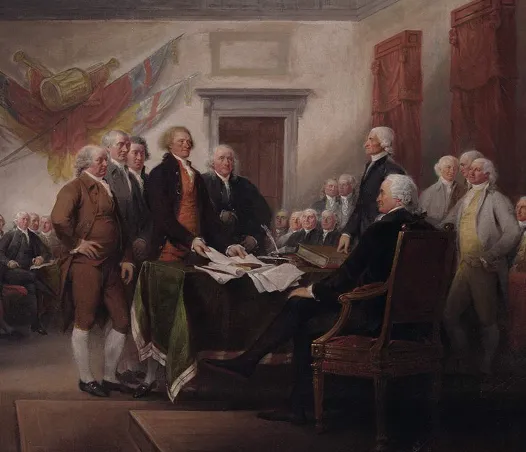
Of those virtues, I believe frugality stands out. Today, frugality refers to fiscal responsibility. To the founders, it meant moral discipline and balanced restraint. Many of the founders were inspired by writers such as Cicero, who claimed that virtue was the key to happiness over worldly ambitions or possessions. Like all humans, no founder was able to completely live up to their ideals. Thomas Jefferson was famous for a 10 hour schedule of self education, while also notorious for reckless spending. This leads us to the question: "How might individuals and governments cultivate restraint that supports freedom and responsibility without mistaking it for unnecessary deprivation?" (Constitution Center, 2026)
Today, even the destitute live a life of comfort unimaginable in much of history. At the same time, a record low 44% of Americans are "very satisfied" with their personal life. (Brenan, 2025) Consumption culture robs us of the fulfillment from overcoming challenges that practicing thrift can provide. Moreover, we are encouraged to strive for material status symbols, but satisfaction fades quickly after the purchase and much like a drug, new possessions must be acquired to chase the high.
Personal frugality can help remedy this, but we should also be careful to not pivot too hard in the other direction. Consumption is not universally detrimental. The accumulation of wealth should indeed be celebrated, but like most things in life, we should strive for balance. Practically speaking, what does this look like?
I propose that we should splurge on material items that support our passions. Are video games your favorite hobby? You should have a performance computer. Do you like sketching or painting? Make sure you buy the best materials. Conversely, we should avoid frivolous spending on items for the sake of status. It's non sensical to buy a $500 Garmin smart watch with land nav, GPS, and a feature set designed for elite athletes if you're only hopping on the treadmill a few times a week.
Likewise, we shouldn't spend extra money on utilitarian items. It's not uncommon to see social media posts flaunting the newest trendy water bottle. What happened to the Yeti, Stanley or Contigo bottles from before? Or what about the cheap unbranded water bottle in your cabinet? They all hold water the same. We also would do well to remember the values of sobriety, and practice temperance with respect to the amount and frequency of casual drugs or alcohol consumption.
By way of conclusion, the most important thing we should invest in is ourselves. This includes experiences that you'll remember, and strengthening your social bonds as well. It may be true that the $8 coffee shop drink can be made just as easily at home, but don't discount the value of catching up with a friend and the memory you'll make doing it. It may be true that the grocery store items with a long list of strange ingredients on the back cost $4 less than the natural ones, but consider the potential cost and consequences that years of eating more processed foods might bring later in life. With a bit of practice and continual reflection, I believe a healthy balance between frugality and indulgence is not only attainable, but optimal for a virtuous life.
Thank you for your time.
REFERENCES:
Brenan, M. (2025, January 23). New Low in U.S. “Very Satisfied” With Personal Life. Gallup.com; Gallup. https://news.gallup.com/poll/655493/new-low-satisfied-personal-life.aspx
Module 6: Frugality: James Wilson and George Mason’s Debts | Constitution Center. (2026). National Constitution Center – Constitutioncenter.org. https://constitutioncenter.org/education/civic-virtue-course/asu-module-6