On Doomerism
Online discussion, "discourse" if you will, is a bit like caffeine. In the right amounts, it is energizing. It ignites motivation and serves as a catalyst to productive action. But like having too much caffeine, discourse can be anxiety inducing and paralyzing. This has been true since humanity developed language. In keeping with the caffeine analogy, I suspect that living in the modern algorithm driven, perpetually connected reality is akin to having the entire pot of coffee with breakfast.
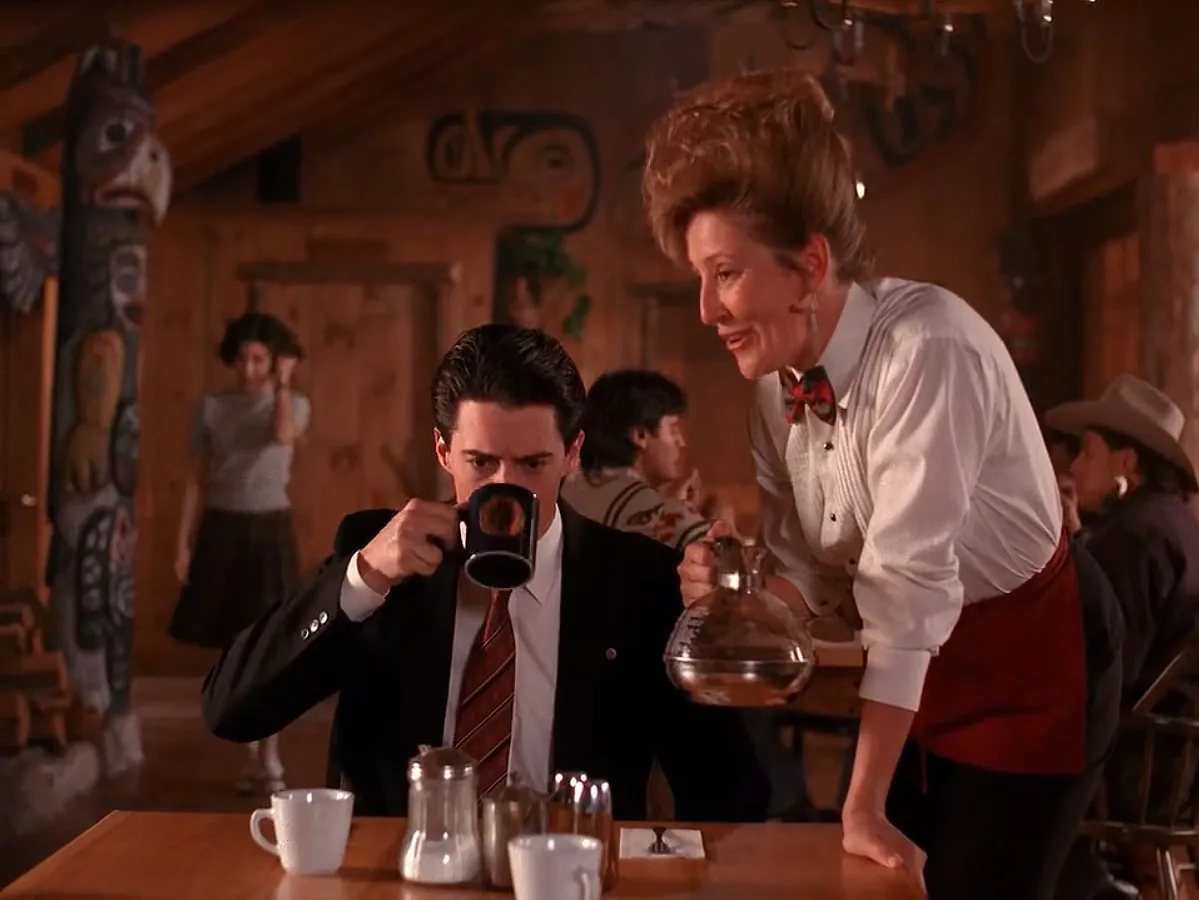
My intent is not to be yet another voice denigrating digital media. Instead, I'm here to suggest that we mustn't let optimism, hope, and personal ownership go out of fashion despite the (grossly exaggerated) implications of impending doom we are constantly exposed to. The digital landscape can easily foster despair. But we would do well to remember that we have power to affect positive change in our community and personal lives.
Even if you aren't American, you likely know Benjamin Franklin. He was a man who, like the rest of us, had a lot of ideas about how to make the world better. Unlike most of us though, without much fuss he simply put his ideas into action. As a young man, he established the Pennsylvania Gazette, and later went on to create Poor Richard's Almanac, both among the most widely circulated publications in the American colonies. Naturally, there was no Facebook. But the colonists were avid readers, and endured an environment of toxic journalism and misinformation in the news media, as we do today.
What made Franklin's publications different is that he believed in using media for good. He presented problems, explained the relevance of said problem to the reader, and then offered practical, actionable steps into solving them. He chose not to use media as a vehicle for complaints and doomsaying, despite how profitable and easy that may have been (sound familiar?).
Franklin's public service extended outside of media as well. He set up a "social improvement society" for young people to communicate with each other with the goal of becoming better individuals, he set up Philadelphia's first lending library, and he even created a volunteer firefighting force. These actions are only a mere sampling of his efforts.
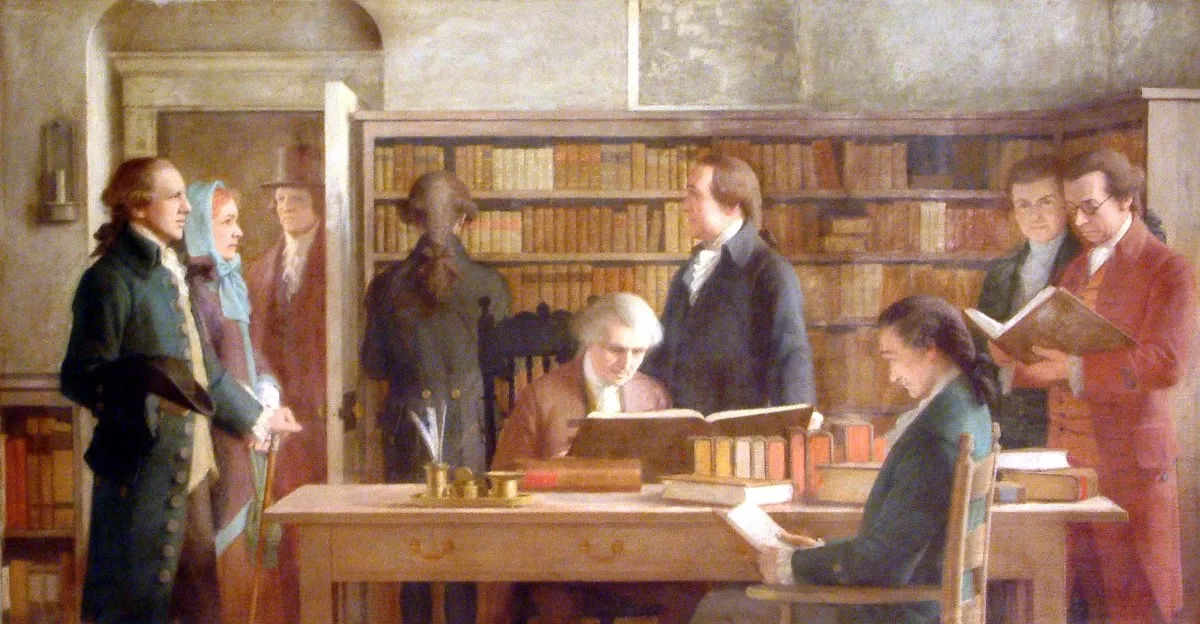
Ultimately, my point is not to wax poetic about how interesting an individual Benjamin Franklin was. Rather, my intent is to offer a bit of inspiration. I suggest that we, the people, can exemplify civic virtue in the way Franklin did if we simply make the choice to do so. How? By doing the little things. Don't let the idea of immense greatness prevent you from doing meaningful good. Donate a book to your library, give a random stranger a compliment, pay for the person behind you in the drive thru, email your county commissioners about a problem in your community, pick a piece of trash off the sidewalk, share the solution to a problem you conquered in your personal life with a friend.
Doom and gloom breeds inaction. Hope and optimism breeds improvements. As David McCullough once said: "When bad news is riding high and despair is in fashion, when loud mouths and corruption seem to own center stage, when some keep crying that the country is going to the dogs, remember it's always been going to the dogs in the eyes of some."
Let's not be the people crying that the country is going to the dogs. Let's proliferate a culture of hope, positive action, and ultimately, civic virtue.
Further reading on Ben Franklin and civic virtue:
https://billofrightsinstitute.org/essays/benjamin-franklin-and-the-american-enlightenment/
https://constitutioncenter.org/blog/the-lifelong-pursuit-of-virtue
https://constitutioncenter.org/education/civic-virtue-course/asu-module-3